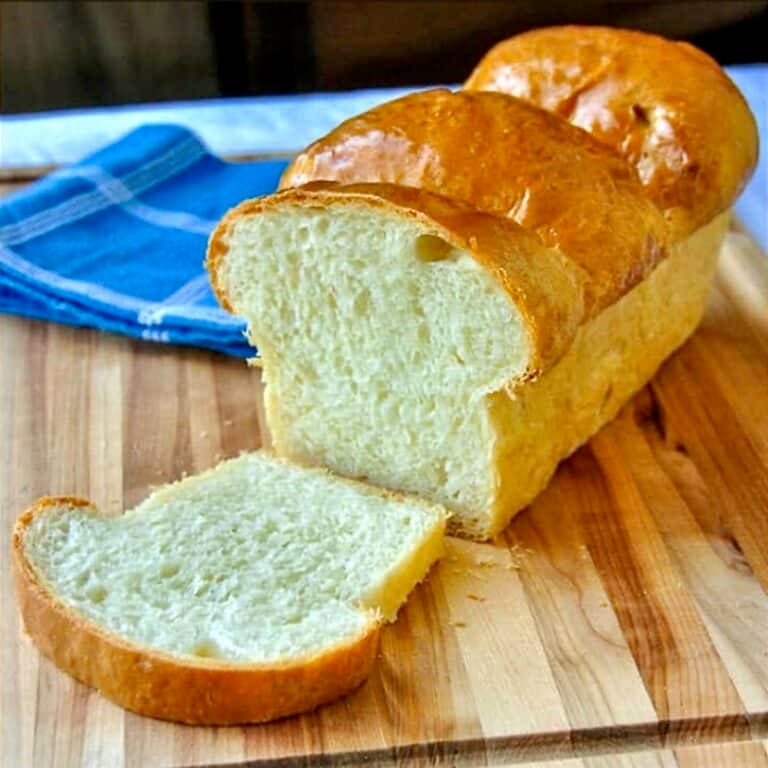
Homemade Tenderloin Ham
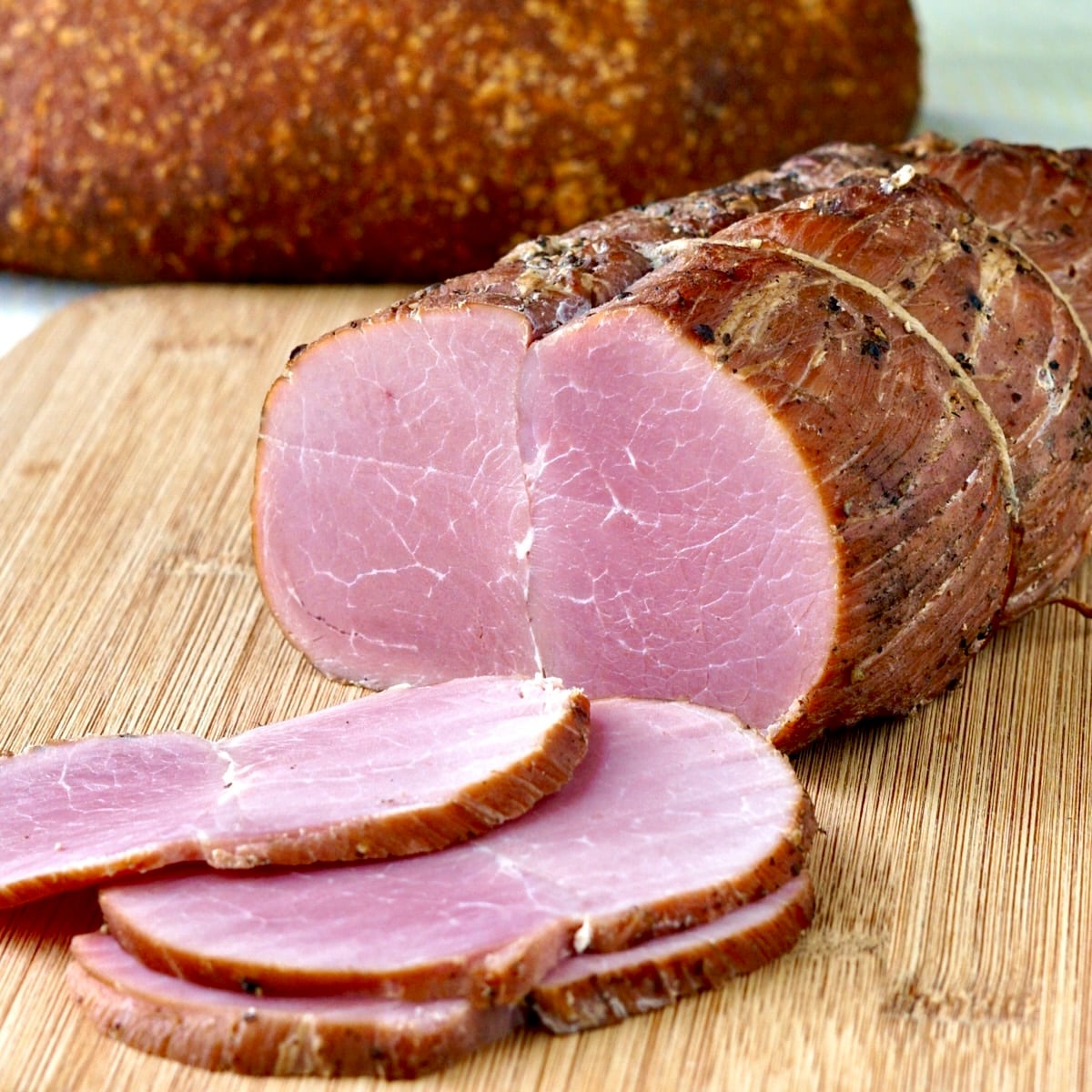
Homemade Tenderloin Ham. Home cured ham is much easier than you may think and produces delicious, juicy slices for sandwiches or even glazed for dinner.
Those you you who follow me on Facebook, will know that I am an avid meat smoker. I love southern style BBQ smoked Brisket, ribs, chicken and anything else I can fit into the backyard smoker.
If you've been following recently, you will know that I have been sausage making, curing homemade bacon and making Montreal Smoked meat since this past Spring. I currently have 8 varieties of sausages in my freezer to last all winter from Beef and Cheddar Smokies to Polish Kielbasa.

I also have unsmoked sausages like Maple Breakfast Sausages and of course Italian Sausages. They are at the ready for weekend brunches and weekday pasta meals over the coming months as well.
There have been a few sausage recipes shareh here over the years, and I plan to start doing more of those going forward. Our Homemade Breakfast Sausage has been very popular with our fans. Lots of folks like to make them as sausage patties instead of links so that doesn't need special equipment.

Our Homemade Chorizo Sausage and British Cumberland Sausage have also proven quite popular.
It all started with ham!
But where did my smoking, sausage making and curing begin?
It all started many years ago when I got into dry aging steaks and eventually went on to dry curing meats like homemade Prosciutto and lonzino.
My first success with the whole thing though was a boneless pork butt that I cured in brown sugar. It's practically the same recipe as you will find below.
I didn't have a smoker at the time or I would surely have used it. Instead I treated it like an uncooked ham and glazed it with my usual Brown Sugar and Dijon Glaze.
It turned out deliciously juicy and flavourful. I was hooked and have had many successful experiments with curing meats ever since.

Homemade Tenderloin Ham, a good place to start.
To introduce new folks to the idea of home curing, I thought, why not start small!?
Everyone knows that I love a good meat sale! I am a chronic freezer filler!
I did come across a an excellent sale on pork tenderloin and devised an experiment. While small pieces of meat are not ideal for curing, these tenderloins were a bit bigger than average.
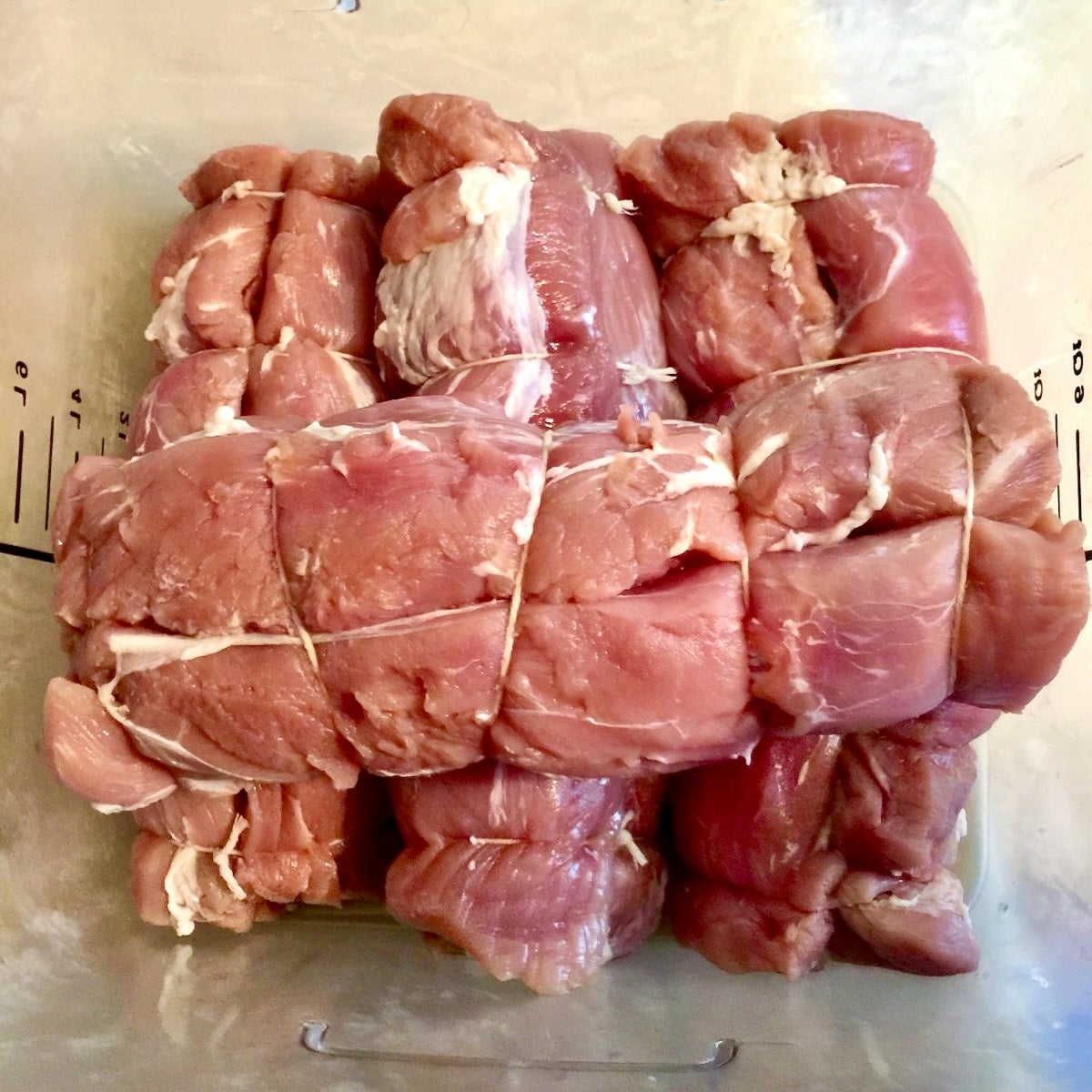
I thought, maybe if I bundle a couple together they would be quick to cure. Then I could have some homemade ham for a brunch I was planning in just over a week's time.
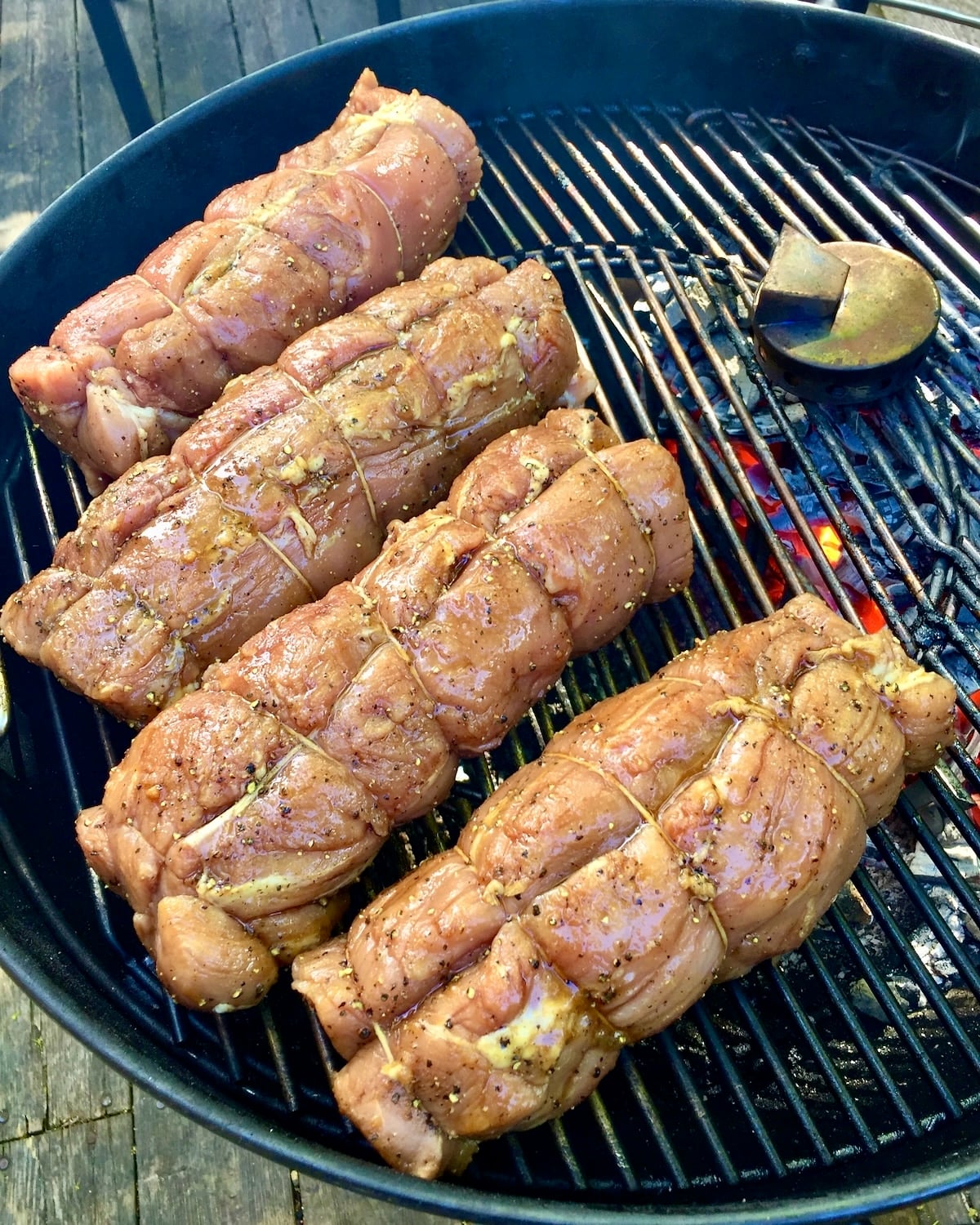
That's just what I did and purchased extra tenderloins to have even more on hand for sandwiches later on. The tenderloins cured in only a week and I did smoke them lightly in my trusty old Weber Kettle Grill. (These days I have an electric pellet smoker which is easier and requires less babysitting!)
They were a complete success, with my guests at that brunch, who took home samples for themselves for sandwiches as well.
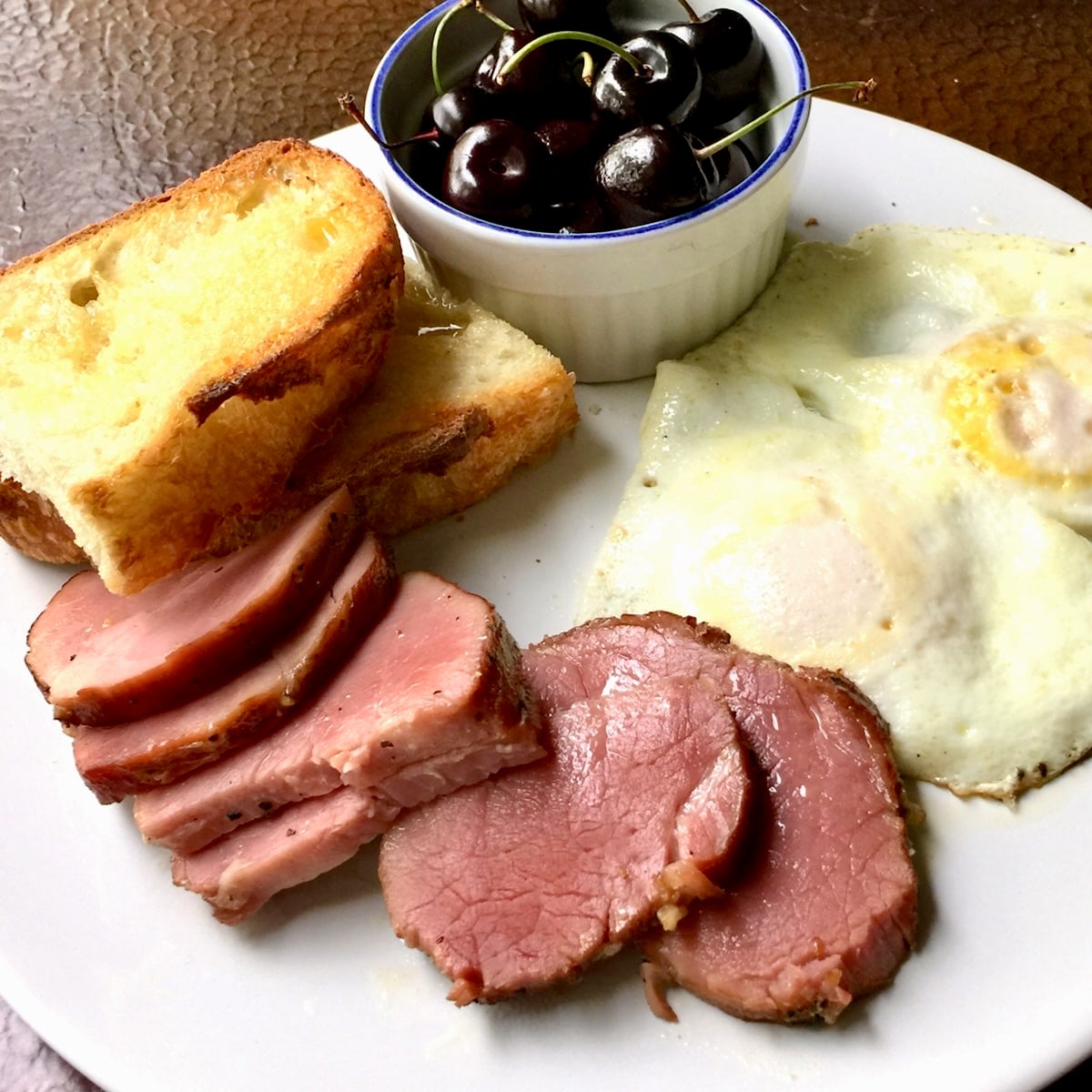
Homemade Tenderloin Ham. Some beginner fundamentals.
-
- Home curing is all done by the weight of the meat. ALWAYS. This is particularly important because the curing process requires the addition of nitrates, this time in the form of Prague Powder (curing salt )#1. THIS IS NOT THE SAME AS PRAGUE POWDER #2. DO NOT SUBSTITUTE ONE FOR THE OTHER
- Precise weights also ensure that the minimum amount of nitrate is used to ensure no bacterial growth, and a very safe end product.
- The actual safe amount of nitrate needed is very very small. It is only ¼ of 1 percent of the weight of the meat. For example, 1 kg meat (1000 g)(2.2 lbs) would be only 2.5 grams, just over ½ tsp.
- Precise weights are always given in grams, since it is much easier to calculate the amounts needed. Generally, the amount of salt is 2% of the weight of the meat. So, for example, for 1kg meat (1000 g)(2.2 lbs) would be 2%x1000=20 grams salt. That's only about 1 tbsp.
- Measuring the weight precisely also guarantees that you don't oversalt the ham which happens to many people who "eyeball" it. That's a bad idea!
- Sugar added to a cure, which I often do in the form of brown sugar or maple sugar is more variable to taste. I like to use 3 to 4% to ensure that flavour is actually present in the finished ham.
- Other food safe practices are always important, making sure all of your equipment and tools are clean before you start, is of course, fundamental.
- It should be noted that a lot of ham recipes call for a wet brine, meaning the meat is submerged in a salt and nitrate solution for several days. This is the dry brining method which I prefer for sugar curing meats like ham and bacon.
- In my opinion for sugar curing and enhanced flavour, a dry brine method is best because it uses less ingredients like salt and sugar and takes up less room in the fridge too. Far less than a brining bucket.
- When curing anything, I tend to make big batches, because, for the amount of time invested, you want to be sure to have plenty. In this case, a cured ham, like this, can be vacuum sealed in the fridge for a month.
- Of course many people will freeze their hams for months, which is perfectly fine too.
Like this Homemade Tenderloin Ham recipe?
You'll find hundreds of other great ideas in our Quick & Easy Dinners Category and even more in our Pork Recipes Category.

It's easy to keep up with the latest home style cooking & baking ideas from Rock Recipes. Be sure to follow Rock Recipes Facebook Page and follow us on Instagram.
Plus you'll see daily recipe suggestions from decadent desserts to quick delicious weekday meals too.
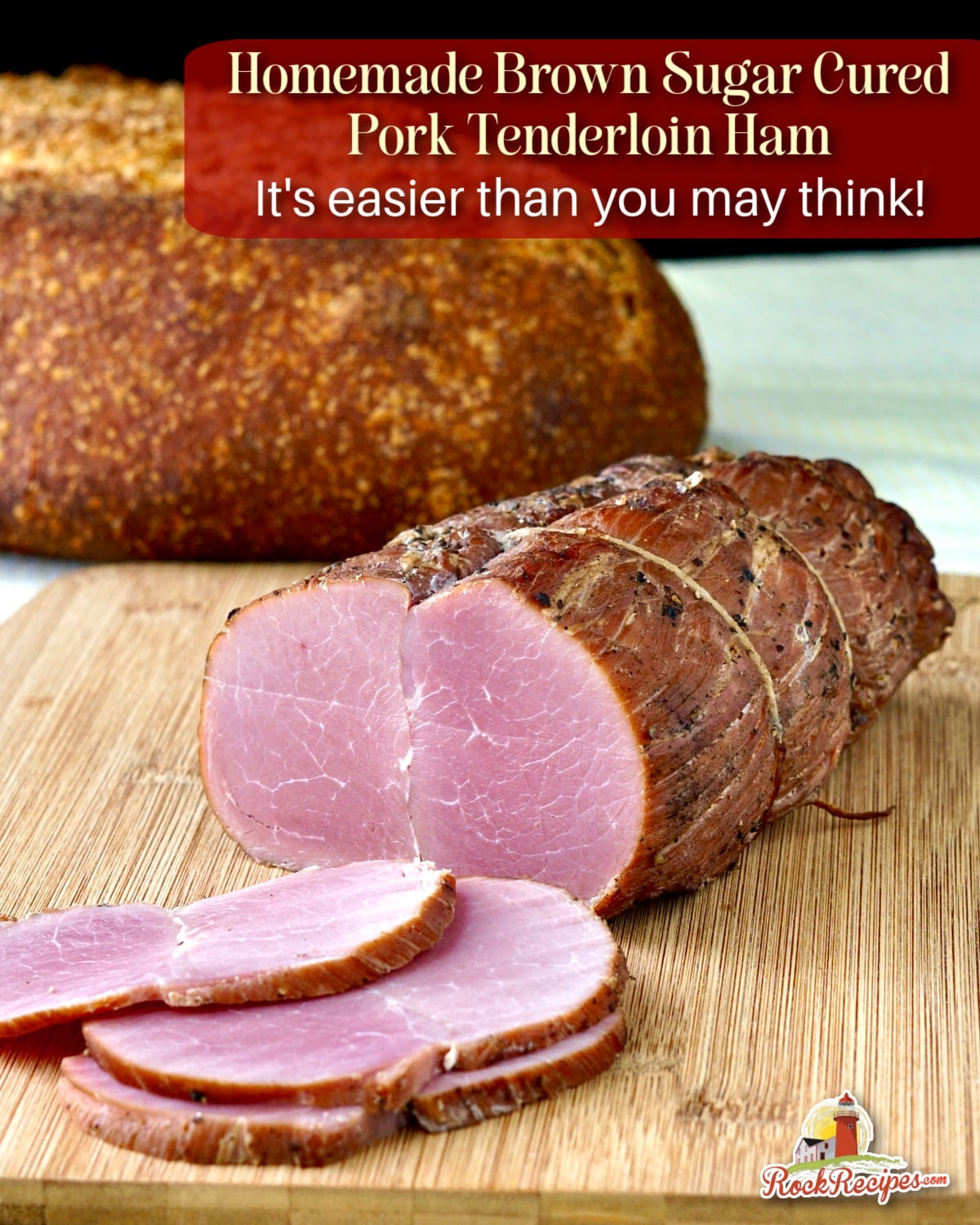
You can also sign up for our FREE newsletter to know immediately when we add new recipes. You'll also get weekly suggestions for great family friendly meals and desserts too!

Rock Recipes a participant in the Amazon Services LLC Associates Program, an affiliate advertising program designed to provide a means for us to earn fees by linking to Amazon.com and affiliated sites. Our product recommendations are almost exclusively for those we currently use or have used in the past.
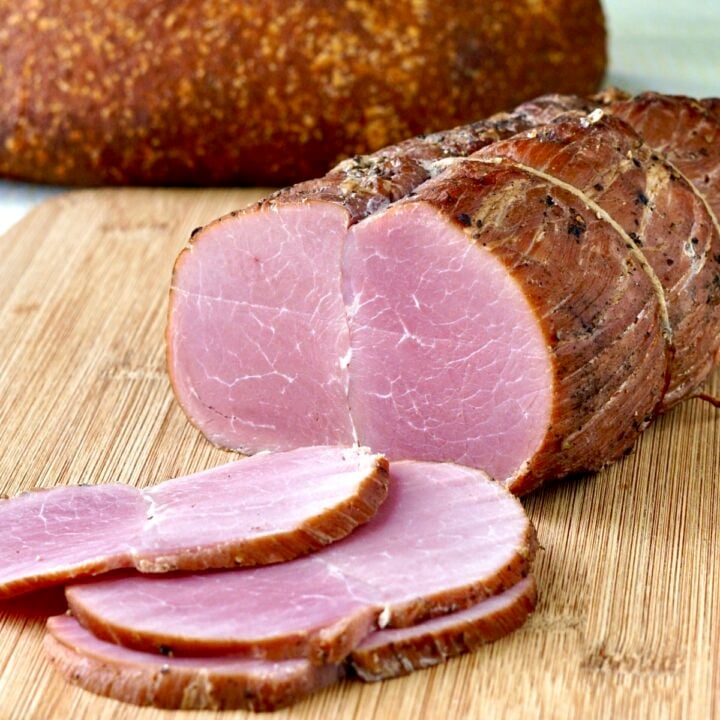
Homemade Tenderloin Ham
Ingredients
- 1000 g pork tenderloin. Choose the largest ones you can find.
- 20 g kosher salt (or 2% of the total meat weight you are using) (Do not substitute any other type of salt.)
- 2.5 g Prague Powder #1) (or 0.25% of the total meat weight you are using)
- 30-40 grams brown sugar (or 3 to 4% of the meat weight you are using)
- 6 grams cracked peppercorns (about a tbsp)
Instructions
- READ ALL OF THE NOTES BELOW BEFORE YOU BEGIN
- Buy an even number of pork tenderloins, as they will be tied together.
- Pork tenderloins have a thick end which tapers off to flat. Cut about an inch off of the flat end.
- Lay 2 tenderloins back to back on a cutting board at a time. Tie them together with butcher string about every 3 inches.
- Make sure to reverse them so that the thick end of one is opposite the thick end of the other. This will give an even thickness of meat along the entire length.
- Mix together the kosher salt, Prague powder, sugar and peppercorns and rub evenly over the surface of all the meat. It is important to use ALL of the dry salt mixture. If any doesn't stick to the meat, add it to the brining bag,
- Place the tenderloins in a sufficiently large clean plastic bag, ziploc bag or a vacuum seal bag. They must all be brined in the same bag.
- If not vacuum sealing the bag, be sure to push out as much air as possible. It is also a good idea to double bag plastic or ziploc bags to prevent any leakage.
- Place the bag on a tray in the fridge for 7 days.
- Turn the bag over once a day to ensure even salt distribution and curing.
AFTER 7 DAYS
- Remove the tenderloins from the bag and rinse them thoroughly under cold water.
- Pat them dry with paper towels.
- At this point if you are oven baking your ham, you can do it right away, or store the ham in the fridge for several days until you need it.
- There is of course no need for additional salt but I do add extra pepper before baking.
- The ham should be slowly baked, uncovered on a rack at 250 degrees F until internal temperature reads 150F on a meat thermometer. The ham is then fully cooked and should rest for 20 minutes before slicing if being served hot.
- If you want to glaze the ham, do that in the last 30 to 45 minutes and raise the temperature to 350F when glazing.
- If using the ham for cold cuts, I'd let it cool to room temperature then chill in the fridge overnight, to make thin slicing easier.
If you are smoking the ham.
- After rinsing the brine off the ham and patting it dry, place the ham/s on a wire rack, uncovered, in the fridge overnight.
- This will produce what's known as a "pellicle". The surface will be a little tacky to the touch, and this helps with the absorption of smoke onto the surface of the meat for best smoky flavour.
- There is of course no need for additional salt but I do add extra pepper before smoking.
- Smoke at 225-250 degrees until the internal temperature reads 150F on a meat thermometer.
- The ham is then fully cooked and should rest for 20 minutes before slicing if being served hot.
- If using the ham for cold cuts, I'd let it cool to room temperature then chill in the fridge overnight, to make thin slicing easier.
Notes
Homemade Tenderloin Ham. Some beginner fundamentals.
- Home curing is all done by the weight of the meat. ALWAYS. This is particularly important because the curing process requires the addition of nitrates, this time in the form of Prague Powder (curing salt )#1. THIS IS NOT THE SAME AS PRAGUE POWDER #2. DO NOT SUBSTITUTE ONE FOR THE OTHER.
- Precise weights also ensure that the minimum amount of nitrate is used to ensure no bacterial growth, and a very safe end product.
- The actual safe amount of nitrate needed is very very small. It is only ¼ of 1 percent of the weight of the meat. For example, 1 kg meat (1000 g)(2.2 lbs) would be only 2.5 grams, just over ½ tsp.
- Precise weights are always given in grams, since it is much easier to calculate the amounts needed. Generally, the amount of salt is 2% of the weight of the meat. So, for example, for 1kg meat (1000 g)(2.2 lbs) would be 2%x1000=20 grams salt. That's only about 1 tbsp.
- Measuring the weight precisely also guarantees that you don't oversalt the ham which happens to many people who "eyeball" it. That's a bad idea!
- Sugar added to a cure, which I often do in the form of brown sugar or maple sugar is more variable to taste. I like to use 3 to 4% to ensure that flavour is actually present in the finished ham.
- Other food safe practices are always important, making sure all of your equipment and tools are clean before you start, is of course, fundamental.
- It should be noted that a lot of ham recipes call for a wet brine, meaning the meat is submerged in a salt and nitrate solution for several days. This is the dry brining method which I prefer for sugar curing meats like ham and bacon.
- In my opinion for sugar curing and enhanced flavour, a dry brine method is best because it uses less ingredients like salt and sugar and takes up less room in the fridge too. Far less than a brining bucket.
- When curing anything, I tend to make big batches, because, for the amount of time invested, you want to be sure to have plenty. In this case, a cured ham, like this, can be vacuum sealed in the fridge for a month.
- Of course many people will freeze their hams for months, which is perfectly fine too.
NOTE. The sodium content in the nutrition information, is likely lower than stated because the calculation does not take into account that the meat is rinsed thoroughly in water before cooking.
Nutrition Information
Yield
10Serving Size
100 gramsAmount Per Serving Calories 149Total Fat 4gSaturated Fat 1gUnsaturated Fat 3gCholesterol 72mgSodium 845mgCarbohydrates 0gFiber 0gSugar 0gProtein 26g
The nutritional information provided is automatically calculated by third party software and is meant as a guideline only. Exact accuracy is not guaranteed. For recipes where all ingredients may not be used entirely, such as those with coatings on meats, or with sauces or dressings for example, calorie & nutritional values per serving will likely be somewhat lower than indicated.
Would you like to save this recipe?
Send this recipe to my email.